The Trouble with Paper Dismissal Lists (and What to Use Instead)
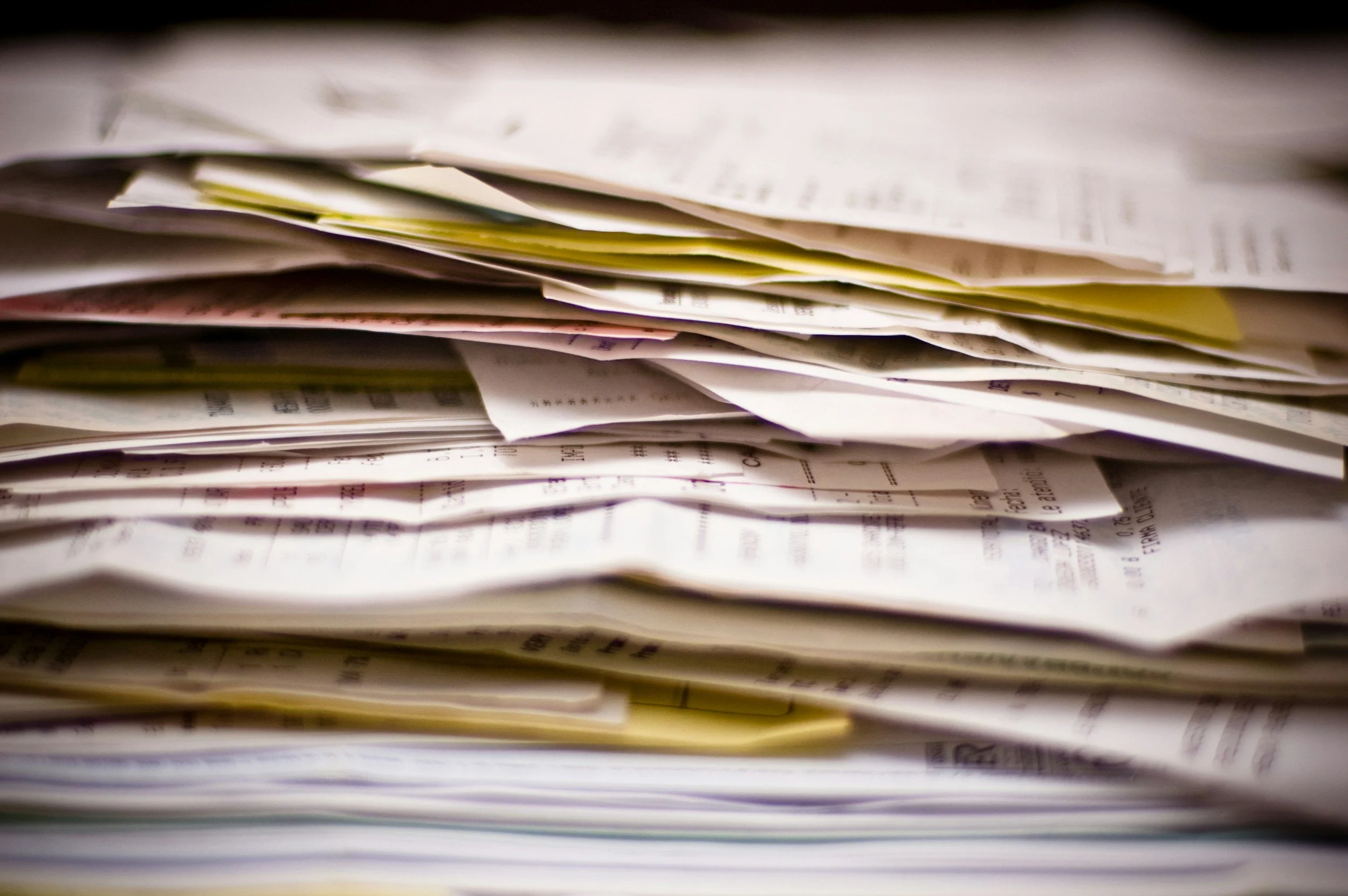
Long before the first car pulls into the loading zone, dismissal has already begun on paper, or at least it used to. Every school runs on some version of a roster: a list of who's going home & how, which gets updated throughout the day as plans shift. The trouble has never been the idea of a roster. It's that a piece of paper can't update itself, and every hand-off between the moment a change happens and the moment it reaches the right staff member is a place for something to get missed.
What a Digital Roster Actually Replaces
A printed roster is a snapshot, accurate at the moment it was written and increasingly less so with every hour that passes. A digital roster removes the snapshot altogether. Instead of a static list that someone has to physically update and redistribute, staff work from one live view that changes the instant new information comes in.
The difference isn't just speed. It's that there's no longer a separate "official" version to keep in sync with reality. The version staff are looking at is reality, whatever the current moment happens to be.
How This Plays Out at Each Point in the Building
In the classroom, a teacher pulling up dismissal plans before the bell is looking at the same information the office has, without needing anyone to have walked a note down the hall first.
At the car line, staff dispatching cars aren't cross-referencing a clipboard against a walkie-talkie call. The name and method tied to each student are right there, so there's nothing to reconcile.
In the office, changes can be automatically tabulated, eliminating the need for each change to be communicated to the classroom and the car line. This is really the whole mechanism: one entry, visible everywhere it's needed, instead of something that then has to be manually copied/communciated to two or three other places.
Why Fewer Steps Means Fewer Mistakes
Every manual hand-off in a paper-based process is a place where the wrong information can persist without anyone noticing. Someone has to remember to update the master list. Someone else has to notice it was updated. Everyone downstream has to trust that the copy in front of them is current.
A digital roster doesn't require your staff to be more careful. They are already doing this. But it removes the chance of a missed step when each one is so critical.
Solving the Substitute Problem
A lot of dismissal risk lives in institutional memory: the veteran staff member who just knows who picks up which student, without needing to check anything. That works fine until that person is out. A substitute or fill-in staff member doesn't have that memory to fall back on, and a system that depends on tenure fails exactly when it's tested.
A shared, live roster hands anyone stepping into a dismissal role the same information the regular staff member would have had. Nothing about it depends on how long someone's been doing the job.
How PickUp Patrol Helps
PickUp Patrol replaces the printed roster with a live dismissal plan for every student. When a change is entered, whether by a parent or a staff member, it updates automatically across every view that needs it: the classroom list, the car line dispatch, and the front office, all from that single entry.
Recurring situations like a standing carpool or a weekly aftercare day can be set once as a default, so they don't need to be re-entered or re-confirmed every afternoon. And because the system doesn't rely on any one person's memory, a substitute covering dismissal has access to exactly the same information as the staff member who normally handles it.
See how a live dismissal roster could work at your school at pickuppatrol.net.